

December 12, 2025
Communities across Washington are experiencing major flooding after a powerful atmospheric river brought heavy rainfall across our region. As a result, our state is now seeing widespread river swells, road closures and evacuation orders.
Jobsite safety during and after flooding
It is important to know how to prepare for a flood if your jobsite is prone to such disasters. Proper response procedures should also be taken into consideration after a flooding event.
The National Association of Home Builders (NAHB), in partnership with OSHA, has provided the following guidance.
Electrical hazards
- If water has been present anywhere near electrical circuits and electrical equipment, turn off the power at the main breaker or fuse on the service panel.
- Never enter flooded areas or touch electrical equipment if the ground is wet.
- Stay clear of fallen poles and powerlines. Report the incident to the responsible authority.
- Repairing of downed electrical lines should be performed by utility company workers or other properly trained workers.
Tree & debris removal
When floods occur, debris and downed trees can block public roads. Proper protective equipment, including gloves, chaps, foot protection, eye protection, fall protection, hearing protection and head protection, must be used when using chainsaws and chippers to clear downed trees. Only appropriate power equipment that is built to be used outdoors and in wet conditions should be used.
Chemical and biological hazards
Liquefied Petroleum Gases (LPG) and underground storage tanks, along with other chemical containers, may break away and float downstream, causing hazards from their released contents. Floodwaters may also contain biohazards from direct contamination with untreated raw sewage, dead animals, and rotting food.
Avoid contact, practice good personal hygiene, provide medical surveillance, and discard all food that comes in contact with floodwaters.
Drowning & safe driving
Anytime workers are exposed to moving water, their chances for accidental drowning increase. Even good swimmers are easily overcome by swift-moving water. Workers should not work alone and should wear a Coast Guard-approved personal flotation device (PFD) when working in or near water.
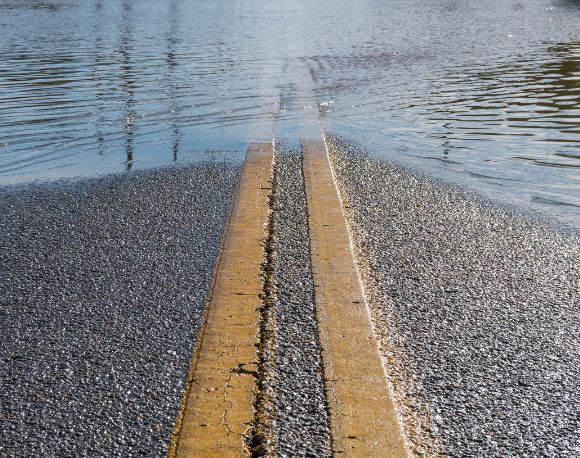
Be wary of unknown road conditions. Do not try to cross flooded roadways if you do not know the depth of the water. Know how water at different depths can affect your vehicle:
- 2 feet of moving water can sweep a car away
- 1 foot of water can float a vehicle
- 6 inches of water can stall a vehicle
- If the water level is rising around your vehicle, you should abandon the vehicle.
How builders can help communities rebuild
In the wake of a flooding disaster, there may be an increased demand for qualified, reliable home builders, contractors, and restoration professionals. Here are some ways builders can step in and help neighbors in need:
- Take on rebuilding projects - Local builders are essential to the long-term recovery of communities. Examine your operations, consider the capacity to travel to impacted areas, and take on rebuilding projects.
- Make referrals - If residents seek assistance you cannot provide, offer referrals or recommendations for other homebuilding professionals in the area. This continuity could be critical to ensure homeowners locate builders and contractors for service.
- Create a list of available workers - Contact your known subcontractors and trades professionals to find out if they are available to perform work in impacted areas.
- Contact your supply companies - Reach out to the building suppliers and distributors you are currently working with and determine if they can work in one of the flood damaged areas.
- Contact your current and former clients - You may already have relationships with residents in the affected areas, which could make it easier to reach out and see if they need assistance. Review your records and call former clients in the area.
- Learn how to work with insurance companies - Insurance may cover homes damaged or destroyed by the flooding, and you may have to work through the insurance process with the homeowner. Contact insurance professionals in your network for best practices on handling the claims process to assist impacted homeowners.
- Be a valuable information source - Homeowners impacted by the floods may have little to no experience in building or rebuilding a home. Become a resource for expert information for these homeowners. By providing best practices and advice in the building process, you can guide their recovery and help them navigate the new territory of getting their house rebuilt.
- Partner with non-profit organizations - Community non-profits may need the support of skilled and non-skilled labor to help rebuild homes for the most critically in need residents. Assess your ability to volunteer your time or resources to support these organizations.
- Communicate, communicate, communicate - Strong communications are critical after a disaster. This flood may have been one of the most traumatic experiences of our neighbors’ lives, and your kindness, consideration, and expertise will go a long way toward helping them recover. Provide regular updates and timelines, budgets, and the status of work underway during rebuilding.
Resources for homeowners
As communities begin recovery from the devastating effects of flooding, homebuilders warn residents to be wary of scammers posing as legitimate contractors. Local home builders associations encourage researching contractors to avoid substandard home repairs.
- Washington State requires contractors to be registered with the Department of Labor & Industries (L&I). Be sure to verify a contractor’s registration status.
- Ask for proof of general liability and workman’s compensation insurance. A reputable contractor should be able to provide an insurance certificate and should expect you to request it. Contact the contractor’s insurance carrier and have a copy of the certificate sent directly from the agency.
- Jobs should always be permitted and inspected in accordance with local jurisdiction requirements. Check with your local inspection department for complete information and current fees.
- Ask for references and verify them.
- Check with the Better Business Bureau for any history of unsatisfied complaints.
- Verify the company’s permanent business address is in this area and not from out of state.
- If you receive more than one bid, be sure to review the estimates and compare similar scopes of work using comparable materials and labor.
- You should understand your contract and the warranties that the builder will provide for the work performed. The contract should outline the scope of work, the price, and at what points of completion payment is due.
- Be wary of low bids – the lowest bid is not always the best.
- Be wary of a contractor who wants full or cash payments before the job begins and utilizes high-pressure sales tactics to sign a contract.
For more resources and referrals to reputable builders in your area, reach out to your local home builders association.